
This essay has since been revised and expanded. You can read the updated version here.
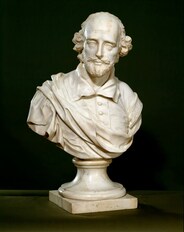
In the realm of literature, few names resonate as profoundly as William Shakespeare and Dante Alighieri. These two titans of the written word have left an indelible mark on world literature, each crafting works that continue to inspire, provoke, and captivate readers centuries after their creation. While they hailed from different eras and cultures—Shakespeare from Renaissance England and Dante from medieval Italy—their works share both striking similarities and significant differences. This blog entry delves into the lives, times, and literary legacies of Shakespeare and Dante, exploring the nuances that make each a unique pillar of literary history.
The Eras They Lived In
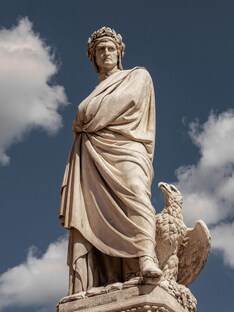
Dante Alighieri (1265-1321):
Dante Alighieri lived during the Late Middle Ages, a period marked by political turbulence, religious fervor, and the early stirrings of the Renaissance. Born in Florence, Dante witnessed firsthand the strife between the Guelphs and the Ghibellines, factions supporting the Papacy and the Holy Roman Emperor, respectively. His political involvement and subsequent exile from Florence deeply influenced his writing. The medieval worldview was profoundly shaped by religion, and this is vividly reflected in Dante’s works, especially in “The Divine Comedy,” which explores themes of sin, redemption, and divine justice.
William Shakespeare (1564-1616):
William Shakespeare lived during the English Renaissance, a time of burgeoning exploration, scientific discovery, and a renewed interest in the arts and classical learning. The Elizabethan era, named after Queen Elizabeth I, was marked by relative political stability and the flourishing of English drama and literature. Shakespeare’s works, performed at the Globe Theatre, mirrored the complexities of human nature and society, exploring themes of love, power, betrayal, and ambition. Unlike Dante’s religiously infused writings, Shakespeare’s works were more secular, reflecting the humanist ideals of the Renaissance.
Literary Styles and Themes
Dante’s Literary Style and Themes:
Dante’s most renowned work, “The Divine Comedy,” is an epic poem divided into three parts: Inferno, Purgatorio, and Paradiso. Written in Italian, rather than Latin, Dante’s choice of the vernacular made his work accessible to a broader audience, a revolutionary act in his time.
“The Divine Comedy” is allegorical, depicting Dante’s journey through Hell, Purgatory, and Heaven, guided by the Roman poet Virgil and his beloved Beatrice. The poem explores themes of divine justice, morality, and the human soul’s journey towards God. Dante’s intricate use of terza rima (a three-line rhyme scheme) and vivid imagery creates a powerful and immersive reading experience.
Shakespeare’s Literary Style and Themes:
Shakespeare’s oeuvre spans 39 plays, 154 sonnets, and two long narrative poems. His works are divided into comedies, tragedies, histories, and romances. Shakespeare’s language, characterised by its iambic pentameter, inventive wordplay, and rich metaphors, has become legendary. His ability to capture the essence of human emotions and societal dynamics is unparalleled. Themes of love, power, revenge, and identity are recurrent in his plays. For instance, “Hamlet” delves into the complexities of revenge and madness; “Macbeth” explores the corrupting power of ambition, and “A Midsummer Night’s Dream” portrays the capricious nature of love. Shakespeare’s works are renowned for their intricate characters and enduring relevance.
Similarities and Differences
Similarities:
- Influence on Language and Literature: Both Dante and Shakespeare have had a profound impact on their respective languages and literary traditions. Dante is often referred to as the “father of the Italian language,” while Shakespeare is credited with coining countless English words and phrases still in use today.
- Exploration of Human Nature: Both authors delve deeply into the human condition, exploring themes of love, power, morality, and existence. Their characters are complex and multifaceted, reflecting the intricacies of human nature.
- Innovative Use of Language: Dante’s choice to write in Italian and Shakespeare’s inventive use of English demonstrate their groundbreaking approaches to language, making their works more accessible to the public and ensuring their enduring popularity.
Differences
- Cultural and Religious Context: Dante’s works are steeped in the religious and political context of medieval Italy, with a strong emphasis on Christian theology and morality. In contrast, Shakespeare’s works, while containing religious elements, are more secular and reflective of Renaissance humanism.
- Literary Forms: Dante is primarily known for his epic poetry, especially “The Divine Comedy,” while Shakespeare is celebrated for his plays and sonnets. Their differing literary forms showcase their unique approaches to storytelling and expression.
- Symbolism and Allegory vs. Realism: Dante’s “The Divine Comedy” is heavily allegorical and symbolic, using fictional journeys to explore moral and philosophical questions. Shakespeare, however, often employs a more realistic portrayal of characters and situations, grounding his works in the everyday experiences and emotions of his audience.
Final comments
William Shakespeare and Dante Alighieri, though separated by centuries and cultures, each forged a literary legacy that continues to shape the world of literature. Dante’s allegorical and theological exploration of the human soul contrasts with Shakespeare’s secular and humanist portrayal of human nature, yet both provide profound insights into the human experience.
Their works, rich with innovative language and timeless themes, remain essential reading for anyone seeking to understand the depths of literary art and the complexities of the human condition. As we continue to read and study their masterpieces, we are reminded of the enduring power of literature to transcend time, culture, and language.